 Sabeen
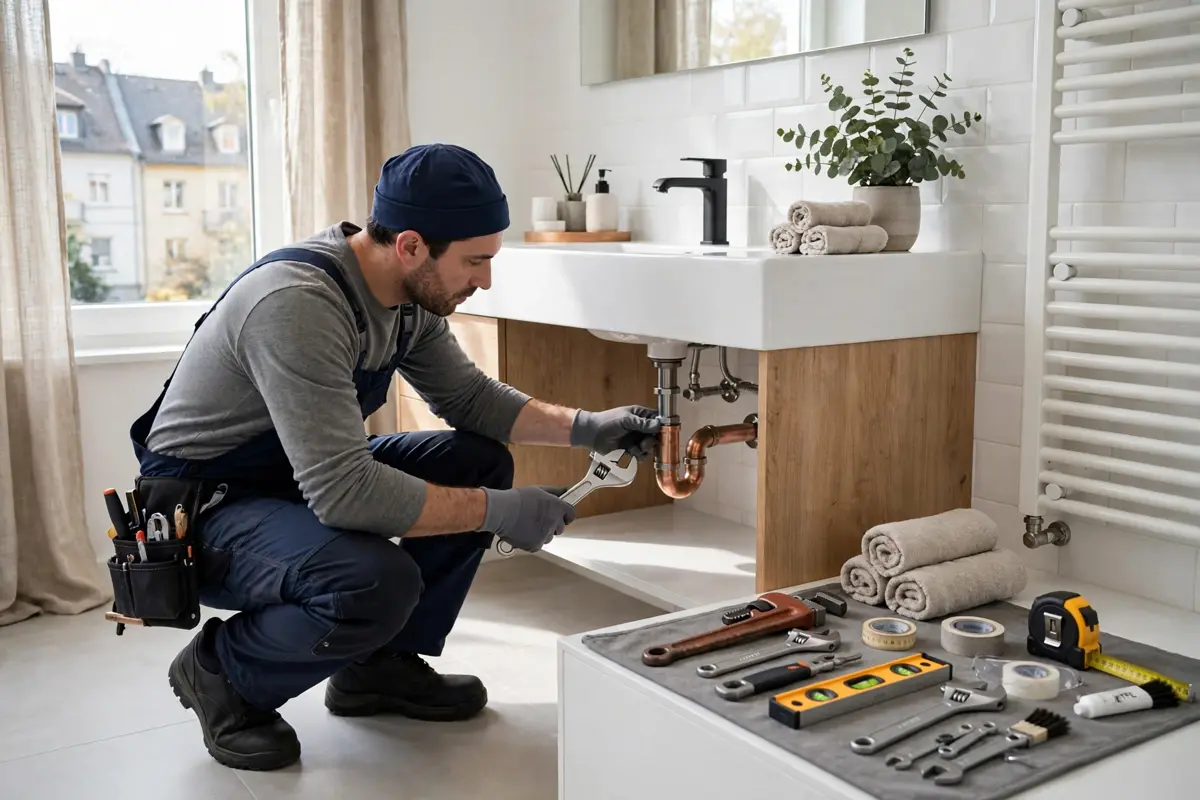
Germany continues to need skilled tradespeople, and plumbing is one of the shortage trades where qualified workers from outside the European Union can find real opportunities. Plumber jobs in Germany with visa sponsorship attract applicants because the work is practical, the demand is steady across housing, commercial buildings, hospitals, schools, and industrial sites, and employers in the skilled trades often struggle to fill vacancies locally. This guide explains how the route usually works, what employers normally look for, and how to apply without falling for false promises.
It is important to start with an honest point. Sponsorship is not automatic, and it is not offered for every vacancy. A German employer can support a visa application only when the role, your qualification, and the visa rules fit together. That is why this article does not name a specific employer or promise a specific salary. Salary: Not disclosed for a specific employer in this guide, and employer: Not disclosed, because any real offer must come from a named employer with a written contract. If you are comparing options across countries, you may also want to read about delivery driver jobs in Ireland with a work permit, care worker jobs in New Zealand, and disability support worker jobs in Australia with visa sponsorship.
The German route most often discussed for this trade is the Skilled Worker Visa. In general terms, this route is designed for people with a recognised vocational qualification or a comparable qualification, plus a concrete job offer in Germany. The exact requirements can change, and the German embassy, consulate, or the Federal Foreign Office guidance for your country is the final source to check before you apply. Public guides also mention the Make it in Germany portal as a useful starting point for general information about working in Germany, and you should always cross check visa details with an official source rather than relying on a job advertisement alone.
Quick Facts
| Job title | Plumber |
| Country | Germany |
| Job-type | Construction |
| Salary | Not disclosed |
| Employer | Not disclosed |
| Deadline | Not disclosed |
| Visa route commonly discussed | Germany Skilled Worker Visa |
| Language | German language skills are an advantage, and often required in practice |
| Qualification | Recognised vocational qualification normally expected |
Why Plumber Jobs in Germany Are in Demand
Plumber jobs in Germany are in demand for several practical reasons. Germany has a large stock of older buildings that need maintenance, renovation, and energy upgrades. New housing construction, commercial projects, and public infrastructure also create steady work. At the same time, many experienced tradespeople are reaching retirement age, and fewer young people in Germany are entering some manual trades. The result is a persistent gap that employers try to fill with qualified workers, including workers from abroad when local recruitment does not succeed.
Plumbing work in Germany is also broader than many applicants expect. It can include installing and repairing water supply and drainage systems, fitting bathrooms and kitchens, installing heating systems, maintaining gas and water installations where qualified and authorised, reading technical plans, testing systems for leaks, and completing documentation for completed work. In larger companies, plumbers may specialise in heating, sanitation, or industrial pipework. In smaller firms, the same plumber may handle a wider mix of jobs across homes and small businesses. This variety means employers value workers who are reliable, careful with safety rules, and able to work independently on site as well as in a team.
Another reason for demand is the energy transition in buildings. Heating upgrades, heat pumps, modern boilers, water saving fittings, and efficient bathroom installations all require skilled installation and maintenance. A plumber who understands modern heating and sanitation systems, and who is willing to keep learning, is therefore in a stronger position than a worker who only has general experience. Employers also value punctuality, clear communication with customers, and a tidy, professional approach on site, because much of the work takes place inside homes and workplaces.
For international applicants, the key point is that demand alone does not guarantee a visa. Demand explains why employers advertise, but sponsorship depends on the individual case. A strong application shows a real qualification, relevant experience, a willingness to learn German, and a clear understanding of the recognition process. Applicants who prepare these points early usually have a smoother process than applicants who focus only on finding any vacancy.
Key Responsibilities for Plumber Jobs in Germany
Typical responsibilities for a plumber in Germany can include:
- Installing, maintaining, and repairing water supply, drainage, sanitation, and heating systems in residential, commercial, and public buildings
- Reading and following technical drawings, plans, and manufacturer instructions for pipes, fittings, and appliances
- Fitting bathrooms, kitchens, toilets, sinks, showers, and related fixtures to a professional standard
- Testing pipework and systems for leaks, pressure problems, and correct function, and fixing faults found during testing
- Carrying out routine inspections and preventive maintenance, and recording work completed for customers and employers
- Following German workplace safety rules, hygiene standards, and building regulations on every job
- Using hand tools, power tools, and measuring equipment safely and correctly, and keeping tools and work areas tidy
- Communicating clearly with customers, site managers, and colleagues, including explaining work done and any further repairs needed
- Travelling to different job sites when working for an installation or maintenance company, and managing time across several jobs in a day
- Supporting apprentices or junior colleagues where experience allows, and following instructions from a master plumber or site supervisor
The exact mix will depend on the employer. Some roles focus on new installations, others focus on emergency repairs and maintenance, and some combine both. During recruitment, ask the employer to describe a typical week, the tools and systems you will work with, and whether work is mainly local or involves travel across a region.
Requirements for Plumber Jobs in Germany
Employers and visa authorities normally look for a combination of qualification, experience, and language ability. Typical expectations include:
- A vocational qualification in plumbing, heating, sanitation, or a closely related trade, with certificates and transcripts available for checking
- Relevant practical experience as a plumber, ideally several years, with references or employment letters that confirm duties and dates
- Willingness to go through qualification recognition in Germany, where your foreign qualification is compared with the German reference occupation
- German language skills, with basic to intermediate German often expected at application stage and higher German usually needed for full professional integration and customer contact
- A good understanding of workplace safety, including safe handling of tools, hot water systems, and work in confined or occupied buildings
- Physical fitness for manual work, including lifting, bending, working in varied positions, and working on construction sites
- A valid passport and the ability to provide documents for a visa application, including a job offer or contract when one is issued
- A clean professional record and the ability to pass any employer checks required for work in homes, schools, hospitals, or public buildings
- Reliability, honesty, and strong customer service skills, because plumbers often work directly in customers homes and workplaces
German language level is an advantage in a very real sense. Even if an employer does not set a formal test score in an advertisement, daily work involves speaking with customers, reading plans and safety notices, and understanding instructions on site. Applicants who start learning German early, and who can show progress with a certificate or a course record, usually stand out. Language learning also helps after arrival, because it supports integration, further training, and long term career growth in Germany.
Qualification recognition deserves special attention. Recognition does not automatically mean your qualification is identical to a German qualification. In some cases, full recognition is granted. In other cases, partial recognition is granted with a requirement for adaptation training or additional experience. The outcome depends on your training content, duration, and practical experience. Start this process early, gather original certificates, translations where required, and detailed descriptions of your training, and keep copies of everything you submit.
Salary and Benefits for Plumber Jobs in Germany
Salary: Not disclosed for a specific employer in this guide, and no salary figure is stated here as the pay for this job. That is deliberate. Pay for plumbers in Germany varies by region, employer size, experience, specialisation, working hours, and whether the role includes overtime, on call work, or travel allowances. A figure copied from a general guide or another vacancy would be misleading if it were presented as the pay for a job that has not been offered to you.
Public guides report wide ranges for skilled trades in Germany, but those ranges are unverified third-party ranges, not this job’s pay, and they are not used in any schema for this article. Treat any broad range you see online as background context only. The only salary that matters is the salary written in a real employment contract from a named employer, after tax, social contributions, working hours, and benefits are clearly stated.
Typical benefits that are generic in German employment, and to be confirmed in the official offer, can include:
- A written employment contract stating job title, working hours, pay, probation period, and notice terms
- Statutory health insurance, pension, unemployment, and long term care contributions under the German social security system, as required by law for employees
- Paid annual leave under German law and the employment contract, with the exact number of days confirmed in the contract
- Paid public holidays, with the exact holidays depending on the German state where you work
- Overtime pay or time off in lieu, where overtime applies and where the contract provides for it
- Work clothing, tools, or tool allowances where the employer provides them, to be confirmed before you accept
- Training and further qualification support in some companies, especially for heating technology, heat pumps, and new installation methods
- Support with onboarding, such as help understanding workplace rules, safety training, and initial accommodation guidance, where the employer offers it
Do not accept a role based on a verbal salary promise alone. Ask for the gross monthly or hourly pay, the expected working hours per week, overtime rules, and any deductions in writing. If an employer cannot provide a written contract, that is a serious warning sign, and you should pause and seek advice from an official source before proceeding.
How to Apply for Plumber Jobs in Germany
Follow these steps in order, and keep records at every stage:
- Prepare your documents first. Gather your plumbing qualification certificates, transcripts, employment references, passport, CV, and any German language certificates. Prepare clear scans and, where needed, certified translations.
- Research the recognition process for your qualification. Look for official guidance on recognition in Germany, understand whether your occupation is regulated, and start the recognition application early if it applies to your case.
- Improve your German in parallel. Even basic German improves your chances, and steady progress shows employers that you are serious about working in Germany long term.
- Search for vacancies through reputable channels, including employer websites, German job portals, and official employment guidance. Compare several vacancies, and be cautious with any advertisement that asks for payment before an interview or contract.
- Apply with a clear CV and cover letter tailored to plumbing. Highlight your qualification, years of experience, types of systems you have installed or repaired, safety training, and German language level. Avoid exaggerating skills you do not have.
- Prepare for interviews by reviewing common plumbing tasks, safety rules, and customer service situations. Be ready to explain your experience in plain language, and to ask about working hours, tools, travel, and contract terms.
- If you receive an offer, check it carefully before signing. Confirm the employer name, workplace location, job title, salary, working hours, start date, probation period, and any support for visa or recognition. Ask questions in writing if anything is unclear.
- Apply for the correct visa only after you understand the requirements. Use official embassy or consulate guidance for your country, submit complete documents, and allow enough time for processing. Do not book non refundable travel before your visa is approved.
- Plan your arrival carefully once a visa is granted. Confirm accommodation, registration requirements, health insurance, and your first day at work with your employer in writing.
For wider comparison before you apply, you may also find it useful to review software developer jobs in the Netherlands with visa sponsorship, which explains a very different sponsorship reality, and to keep your options realistic across countries rather than relying on a single application.
Scam Warning: Never pay a fee to secure a job offer, a visa, or a work permit for a plumber job in Germany. Genuine employers do not ask applicants to pay for recruitment, and official visa fees are paid through official channels, not to an agent by personal transfer. Be suspicious of offers that promise guaranteed sponsorship without checking your qualification, offers sent without an interview, employers who refuse to share a verifiable company name and address, and messages that pressure you to pay quickly. Always verify the employer independently, check the company through official business sources where possible, and read the full contract before signing. If an offer looks too easy or too generous, pause, seek advice, and do not send money, passport originals, or bank details to an unverified contact.
Do plumber jobs in Germany offer visa sponsorship in 2026?
Some employers in Germany can support a visa application for a qualified plumber, but sponsorship is not guaranteed for every vacancy. It depends on the employer, the role, your recognised qualification, and the visa rules that apply at the time you apply. A genuine offer, a suitable qualification, and a complete visa application are all needed. Be cautious with any advertisement that promises sponsorship to every applicant without checking qualifications.
What qualifications do I need for plumber jobs in Germany?
Most employers look for a vocational qualification in plumbing, heating, sanitation, or a closely related trade, plus practical experience. Your qualification may need to go through recognition in Germany, where it is compared with the German reference occupation. Keep certificates, transcripts, and employment references ready, and start the recognition process early because it can take time.
Do I need to speak German to work as a plumber in Germany?
German language skills are a strong advantage, and in practice they are often required for customer contact, safety instructions, and daily site work. Basic German may be enough to start an application in some cases, but improving to an intermediate level greatly improves your chances and your daily working life. Start learning German early and keep a record of courses or certificates.
How does qualification recognition work for plumbers in Germany?
Recognition is a formal comparison of your foreign qualification with the German reference occupation. The result can be full recognition, partial recognition with further training or experience required, or a request for more documents. The process and the responsible authority depend on your occupation and where you plan to work. Use official recognition guidance, prepare detailed training documents, and allow time for the decision before you rely on a start date.
How can I avoid scams when applying for plumber jobs in Germany?
Never pay for a job offer or a guaranteed visa, and never send money to an unverified agent. Verify the employer name, address, and website independently, insist on a written contract, and check visa information with an official embassy or consulate source. If an offer arrives without an interview, without qualification checks, or with pressure to pay quickly, treat it as a warning sign and stop before sending money or personal documents.
What is the salary for plumber jobs in Germany with visa sponsorship?
Salary is Not disclosed for a specific employer in this guide, because pay varies by region, experience, specialisation, and working hours. Public guides report wide ranges, but those are unverified third-party ranges, not this job’s pay. The correct salary is the figure written in a real employment contract from a named employer, with working hours and benefits clearly stated.